Pretty Isn’t Enough: Why Compliance Matters in Label Design and Website Content
When you’re building a product-based brand, it’s very easy to get swept up in the fun stuff.
The logo.
The colours.
The fonts.
The packaging.
The dreamy website mockups that make everyone say, “Oh my gosh, it looks so expensive.”
And honestly, we love that part.
But if you’re creating labels, packaging or website content for a product, especially in industries like food, supplements, skincare, wellness, beauty, eco products or children’s products, there’s another very important guest at the branding party.
Compliance.
Not the most glamorous guest. Probably wearing sensible shoes. But very important.
Because a beautiful label that says the wrong thing can still cause problems. A gorgeous website that overpromises can still create risk. And a clever tagline that implies something the business can’t back up is not quite as clever as it first seemed.
What does compliance mean in branding?
Compliance means making sure your product label, packaging, website copy and marketing content follow the relevant rules for your industry.
From a branding perspective, this is not just about the tiny legal text no one wants to read. It also includes the way your brand looks, sounds and positions itself.
A product claim can come from:
Website headlines
Product descriptions
Packaging copy
Icons and badges
Ingredient callouts
Before-and-after imagery
Customer testimonials
Blog posts and FAQs
Social media graphics
Basically, if a customer can see it, read it, interpret it or wildly jump to conclusions from it, it matters.
Even if a statement is not written as a direct claim, the overall design can still imply something to the customer.
Why does compliance matter in label design?
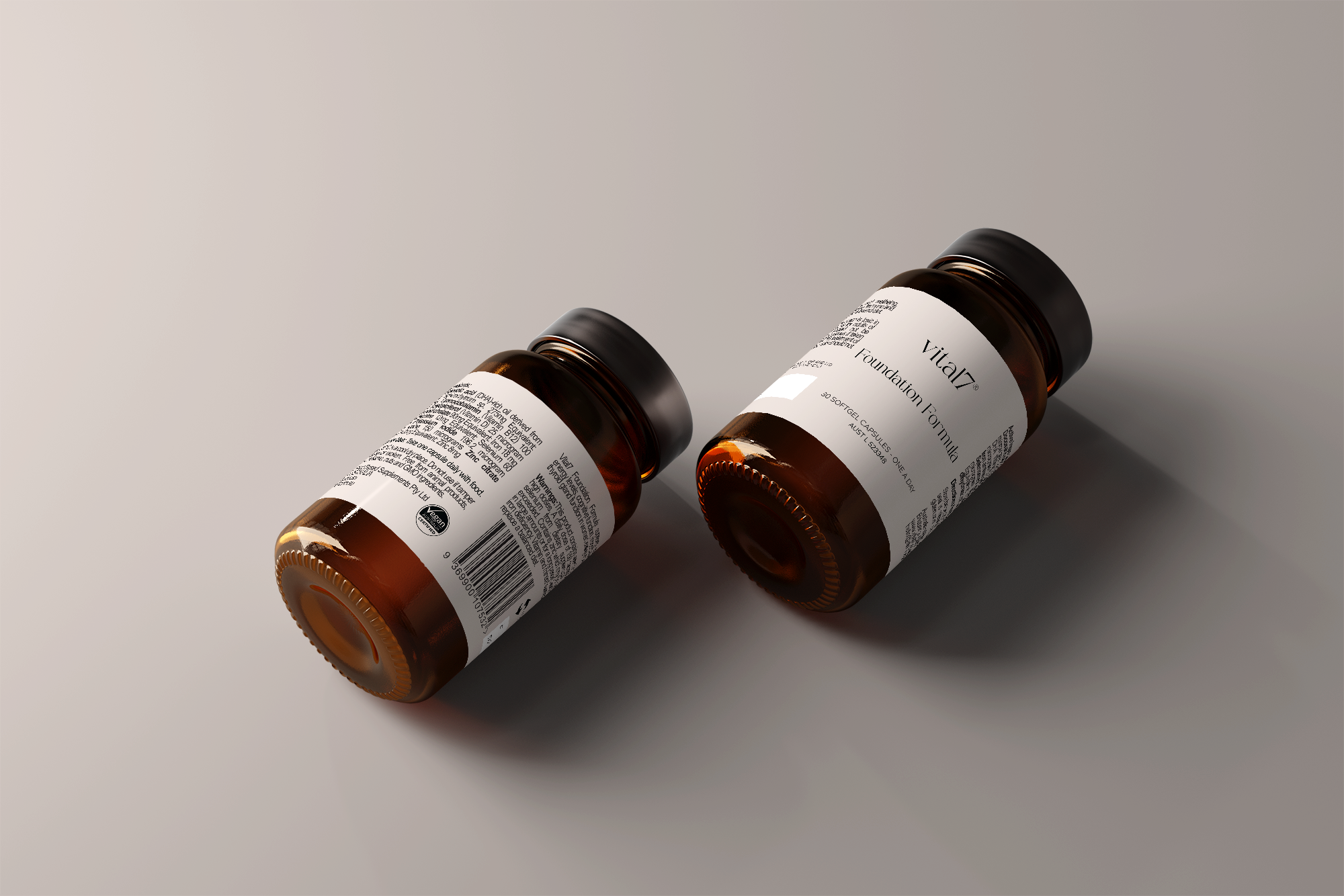
Labels often need to include required information such as ingredients, warnings, usage instructions, nutrition panels, country of origin details, certifications or regulatory wording.
Thrilling? Not always.
Important? Absolutely.
Beyond the mandatory details, your label also needs to avoid unsupported or misleading claims. Words like “natural”, “safe”, “eco-friendly”, “clinically proven”, “non-toxic”, “supports immunity” or “Australian made” can all come with rules, evidence requirements or specific wording considerations depending on the product and industry.
So while your label should absolutely look beautiful, it also needs to be clear, accurate and print-ready.
Because nothing kills the launch mood quite like having to redesign a label after it has already gone to print.
Why does compliance matter on a website?
Your website is often where the big product promises come out to play.
A homepage headline, product page, comparison table, FAQ, testimonial or blog post can all influence what a customer believes about your product.
For example, your label might be perfectly careful, but your website might accidentally take things a little too far. One minute you’re explaining the product clearly, the next minute your copy is basically wearing a lab coat and promising life transformation by Tuesday.
Good website content should explain the product clearly without exaggerating, overpromising or implying benefits that cannot be supported.
The goal is not to strip out all personality. The goal is to say the strongest true thing in the clearest possible way.
Can design choices create misleading claims?
Yes. Compliance is not just about words.
Design has a sneaky little habit of implying things.
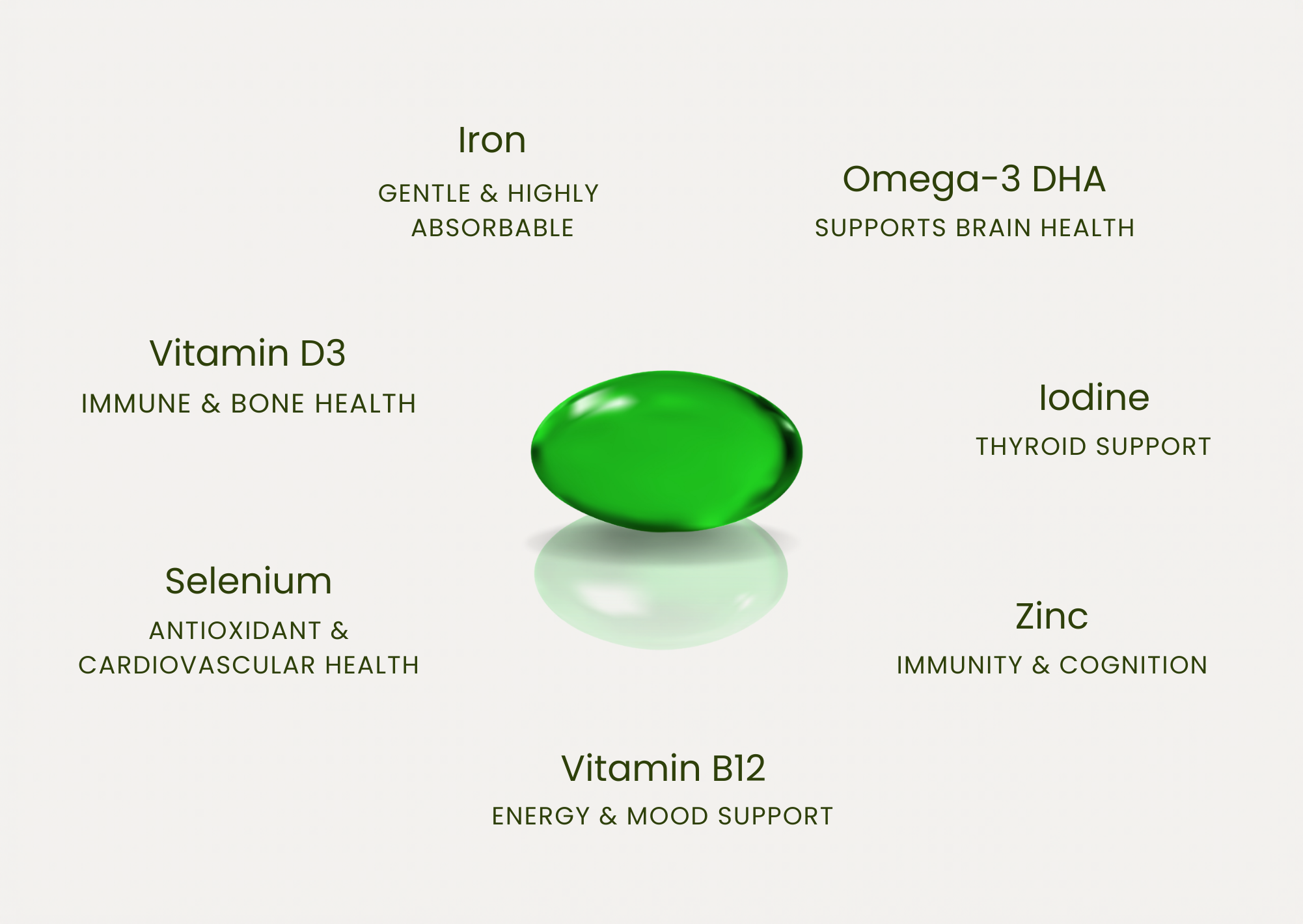
Green colours, leaf icons and earthy textures can suggest a product is natural, organic or sustainable. Medical-style layouts can suggest clinical credibility. Certification-style badges can make something feel official, even when it is not. Before-and-after images can suggest results, even if the copy is trying very hard to behave itself.
That does not mean you can’t use these design choices.
It just means they need to be intentional and backed by the truth of the product.
In branding, the whole impression matters. Customers don’t read every detail. They skim. They notice the biggest claim, the badge, the image, the colour palette and the button telling them to buy the thing.
So yes, your cute little icon does need to behave.
How can brands stay compliant without sounding boring?
Compliance does not mean your brand has to sound like it was written by a printer manual.
A strong brand can still feel premium, warm, clever, modern and persuasive without making risky claims.
Instead of overpromising, brands can focus on:
Founder story
Product purpose
Ingredient transparency
Customer education
Quality and process
Brand values
Lifestyle and ritual
Clear product benefits
Evidence-based messaging
This is where good branding really earns its keep.
The job is not to make the biggest claim. The job is to find the strongest truthful message and make it memorable.
Because trust is a much better brand strategy than “let’s just say it cures everything and hope no one notices.”
What should business owners prepare before designing labels or websites?
Before starting a packaging or website project, it helps to gather the important details early.
Things like:
Final product ingredients
Approved product descriptions
Mandatory label requirements
Certification details
Manufacturing or country of origin information
Evidence for any claims
Industry-specific wording requirements
Legal or regulatory advice where needed
This makes the design process smoother and helps avoid awkward last-minute changes.
And by awkward, we mean expensive, annoying and likely to involve someone saying, “Can we just move everything around a little?” when the answer is absolutely not little.
The designer’s role in compliance
A designer is not a lawyer, regulator, chemist, nutritionist or compliance consultant.
But a good designer should know when to ask better questions.
Can this claim be proven?
Is this badge accurate?
Does this icon imply something stronger than the copy?
Does this testimonial create a claim?
Does this product need specific label information?
Should this copy be reviewed before launch?
These questions are not there to ruin the fun.
They protect the brand, the customer and the business owner’s sanity.
Final thoughts
When it comes to product branding, pretty is not enough.
Your label and website need to look good, but they also need to communicate clearly, responsibly and honestly.
Compliance builds trust. It protects your business. It helps customers understand what they are buying. And it makes your brand feel more polished, not less.
The strongest brands are not the ones shouting the loudest.
They are the ones that know exactly what they can say, say it beautifully and build trust through clarity.
So yes, make it gorgeous.
Just make sure it can legally leave the group chat.